Digital case records.
Bring scans, photographs and clinical notes together to communicate the restorative starting point.
Better information. Clearer conversations. Thoughtful restorative work.
Digital tools are most useful when they help people understand the case and make the next decision with clarity.
Become an RDL Member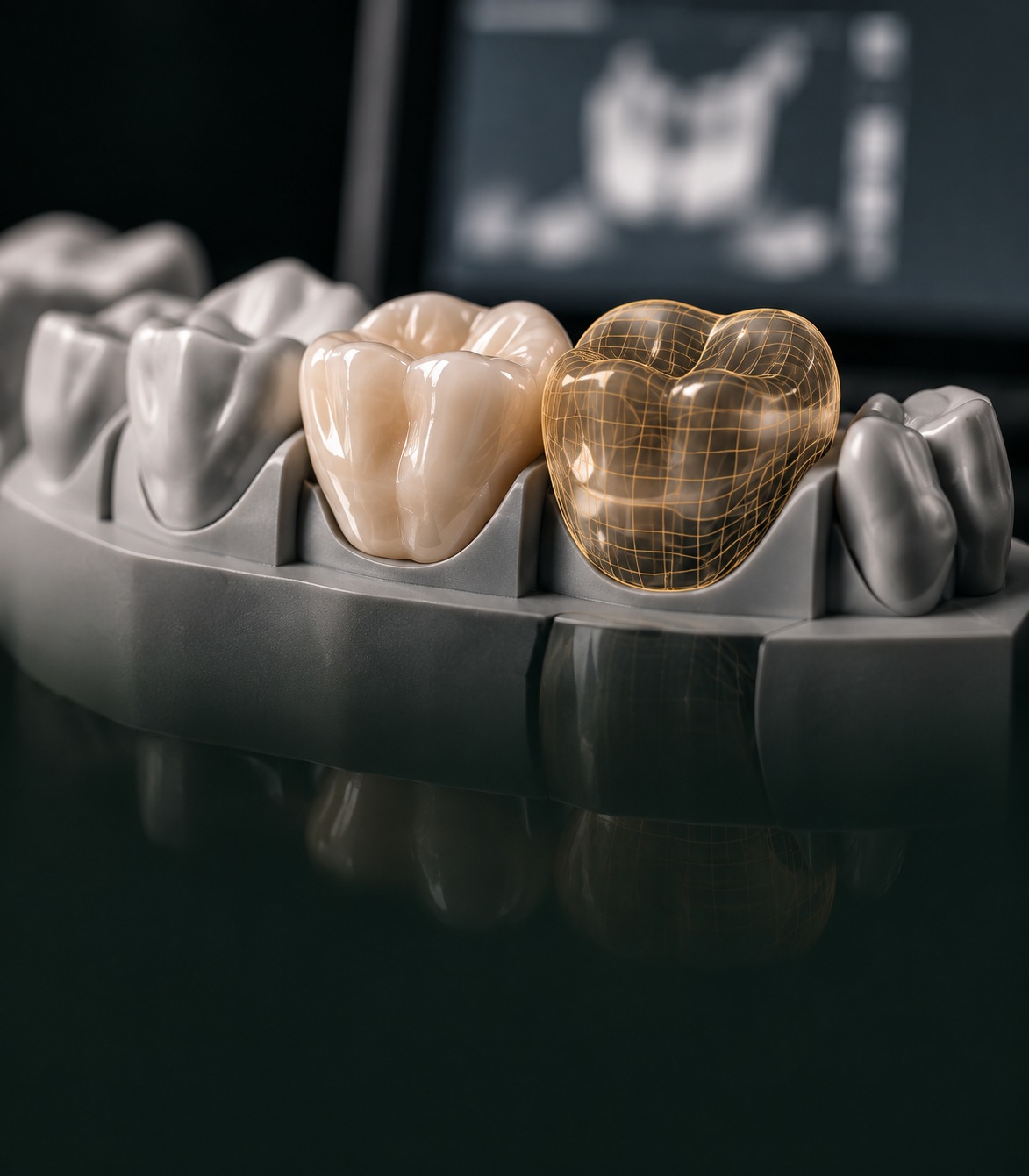
A scan captures information. The clinician supplies the meaning: what needs to change, what should remain and what the restoration is intended to accomplish.
RDL connects digital records with case conversations and design review, keeping the people and clinical intent alongside the files.
Bring scans, photographs and clinical notes together to communicate the restorative starting point.
Use a shared design to clarify questions and discuss the intended result before the work moves forward.
Keep files, decisions and updates attached to the case rather than scattered across separate conversations.
The clinician leads the clinical decisions. The Artisan interprets the restorative brief. Digital records and review tools give both people a shared point of reference.
Explore RDL Guidance →Submit relevant digital records with the clinical context and outcome you have in mind.
Use the case conversation and design review to clarify details, record feedback and resolve open questions.
Carry the files, communication and case journey forward so the context remains available.
Useful records make the clinical picture easier to understand. The right combination depends on the case and can be clarified together before the work begins.
Prepared and opposing arches, bite records and notes explaining the relevant clinical details.
Clinical photographs, shade information and provisional or diagnostic references where useful.
Scanner or file-format information and any questions about the records needed for your case.
What you want the Artisan to assess and which details need your review before the next stage.
Join RDL to begin a conversation about your practice, your restorative work and the community you want around it.
Become an RDL Member← Back to The Work